News

What Makes a T-Shirt Worth Buying for Your Brand or Business?

2026-04-20 0 Leave me a message

A good T-Shirt looks simple on the surface, but buyers usually run into the same frustrating questions: Will the fabric feel right after washing? Will the fit still work across different markets? Can the print stay sharp? Can the supplier keep quality steady from sample to bulk order? This article breaks those pain points down in practical terms so you can choose a T-Shirt more confidently, whether you are buying for retail, promotions, uniforms, events, or private label development.

Article Summary

Choosing the right T-Shirt is not only about color or price. Buyers need to weigh fabric comfort, shrinkage risk, print compatibility, fit consistency, order flexibility, and delivery reliability at the same time. In this guide, we explain how to evaluate a T-Shirt from a practical buyer’s perspective, what mistakes often lead to returns or complaints, and how a manufacturer such as Cangnan County Qimeng Clothing Co., Ltd. can support custom projects more effectively when expectations are clear from the start.

Outline

  • The hidden reasons why many T-Shirt orders become difficult
  • The difference between a product that looks good online and one that performs well in real use
  • How fabric, weight, finishing, and fit shape the final result
  • What buyers should ask before approving samples
  • How to reduce risk in custom, wholesale, and promotional orders
  • Common questions buyers ask before choosing a supplier

Why do buyers struggle with T-Shirt sourcing?

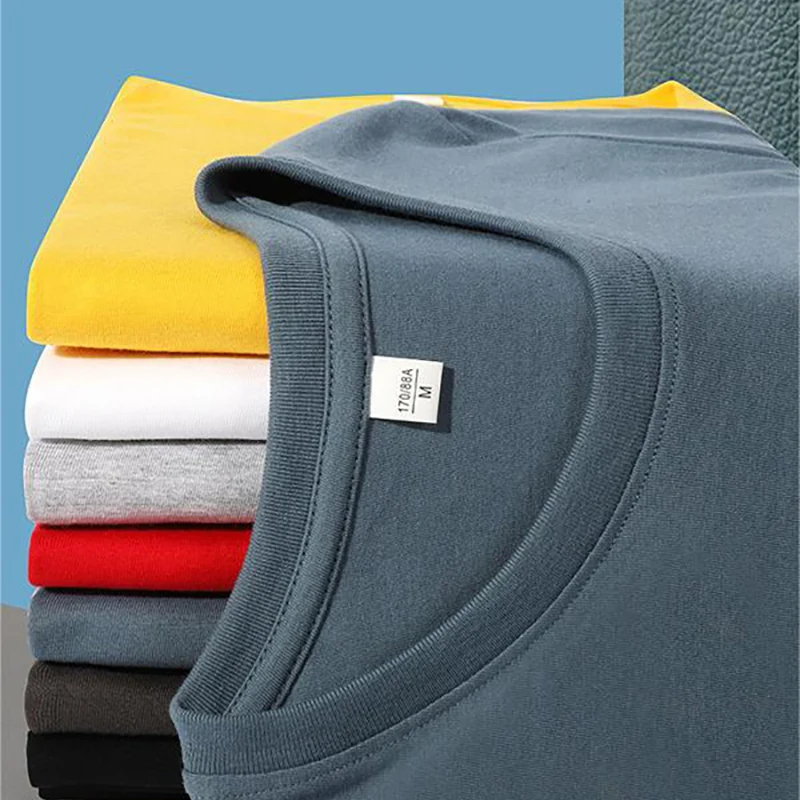
T-Shirt

Many people assume a T-Shirt is one of the easiest garments to buy. In reality, it is often one of the easiest garments to get wrong. The problem is not that the product is complicated. The problem is that buyers are expected to make many decisions on a very small margin of visual difference. Two shirts may look almost identical in a photo, yet wear completely differently after printing, washing, folding, shipping, and retail display.

I have seen the same pain points come up again and again. A buyer chooses a fabric that feels soft in the sample room, only to find that it becomes too thin for retail confidence. Another buyer focuses on low price but later deals with collar deformation, weak seams, or unstable size grading. Others approve a nice-looking mockup without checking whether the chosen fabric is actually the best base for embroidery, screen printing, heat transfer, or quick-dry performance.

This is why smart buyers stop treating the T-Shirt as a basic commodity and start treating it as a product system. The fabric, neck construction, sleeve shape, weight, dyeing consistency, and finishing all work together. Once you look at it that way, the buying decision becomes much clearer.

What defines a good T-Shirt in real business use?

A good T-Shirt is not simply the one with the lowest cost or the trendiest silhouette. It is the one that matches the intended use without creating avoidable problems later. A shirt for a fashion label, a corporate event, a sports promotion, and a workwear program should not be evaluated by the same standard.

In practical terms, a strong product usually performs well in five areas:

  • Comfort: The wearer should feel good immediately, not only after “breaking it in.”
  • Appearance retention: The shape, collar, and surface should still look neat after repeated wear and washing.
  • Decoration compatibility: The fabric should support the chosen logo, print, or branding method.
  • Fit consistency: Sizes should follow a clear logic so reorder customers know what to expect.
  • Production reliability: The manufacturer should be able to repeat the approved standard in bulk.

That is where a capable manufacturing partner matters. When working with Cangnan County Qimeng Clothing Co., Ltd., buyers are not just choosing a shirt style. They are also working through fabric options, use scenarios, and design feasibility to find a version of the T-Shirt that fits the project instead of forcing the project to fit a random stock item.

How should fabric be chosen for different needs?

Fabric is the first major decision because it affects hand feel, drape, durability, print performance, and customer perception all at once. A buyer who starts with “I just need a T-shirt” usually ends up needing to answer a more precise question: What should this shirt do in the customer’s life?

Use Scenario What Buyers Usually Need Suggested Fabric Direction Main Watch-Out
Retail basics Soft hand feel, everyday comfort, clean silhouette Combed cotton or high-quality cotton blend Check shrinkage and collar recovery
Sports or activewear Moisture management, lighter feel, easier drying Performance polyester, nylon blend, or quick-dry fabric Make sure the fabric still feels pleasant against the skin
Promotional campaigns Balanced cost, printable surface, broad size range Mid-weight cotton or practical blend fabric Do not sacrifice fit and stitching just for lower cost
Premium branding Smoother surface, elevated appearance, stronger drape Mercerized cotton or upgraded cotton construction Confirm decoration method in advance
Uniform programs Repeat orders, stable color, wash durability Reliable cotton blend or durable performance fabric Size consistency matters more than trend styling

This is where many buyers save or lose money. Picking the wrong fabric can cause complaints even if the shirt looks acceptable at first glance. A soft fabric may pill. A smooth fabric may not hold some print methods well. A lightweight fabric may feel cool in summer but can look too sheer in bright lighting. These are not minor details. They shape whether the end customer buys again.

Which product details affect customer satisfaction most?

Buyers often spend too much time discussing color and not enough time reviewing construction. Yet the construction details are exactly what customers notice after wearing the shirt a few times. If you want fewer complaints and more confidence in repeat orders, these are the details worth checking closely:

  • Collar structure: A weak collar can ruin the whole look of a T-Shirt even when the body fabric is good.
  • Shoulder and side seams: Clean stitching supports shape retention and long-term wear.
  • Fabric weight: Too light may feel cheap, too heavy may feel stiff for warm climates.
  • Surface smoothness: Important when printing logos, patterns, or promotional messaging.
  • Colorfastness: Especially important for dark shades, branded colors, and uniforms.
  • Size grading: A sample that fits well means little if the rest of the size set does not scale properly.

One reason buyers come back to established manufacturers is that they want fewer surprises. With a supplier that understands sampling, customization, and repeat production, the conversation becomes more useful: not “Do you make shirts?” but “How do we make this T-Shirt work for my market, my brand image, and my reorder needs?”

What should buyers compare before placing an order?

Checkpoint Why It Matters What to Ask
Fabric composition Determines comfort, care, and print compatibility Is this fabric better for retail, sport, or promotional use?
Weight and hand feel Affects premium feel and seasonal suitability Can I compare light, mid, and heavier options?
Customization options Helps align the shirt with brand identity What can be customized in fabric, color, label, logo, and packaging?
Sample accuracy Reduces mismatch between approval and bulk production Will bulk follow this exact standard?
Lead time planning Prevents missed sales windows or campaign delays What is realistic for sampling and bulk delivery?
Quality control process Protects consistency across size and color ranges How do you check stitching, measurement, and finishing before shipment?

How can buyers work with a supplier more smoothly?

A sourcing project becomes easier when the buyer shares clearer goals at the beginning. Instead of saying “I need a nice T-shirt,” it helps to define the purpose more sharply. Is the shirt meant for resale? For brand exposure? For a sports event? For premium gifting? For long-term employee use? The right answer changes the material choice, finishing direction, and budget logic.

I would recommend sending suppliers a practical brief that includes:

  1. The target user and market
  2. The expected price level or budget range
  3. The preferred fabric feel
  4. The planned logo or decoration method
  5. The expected order volume and reorder possibility
  6. The delivery deadline

That kind of clarity saves time for both sides. It also helps a manufacturer like Cangnan County Qimeng Clothing Co., Ltd. suggest a more suitable T-Shirt option rather than simply quoting whatever is easiest to produce. Good communication early on usually leads to better samples, fewer revisions, and a smoother path to bulk production.

What mistakes should you avoid before bulk production?

T-Shirt

Even experienced buyers sometimes make avoidable mistakes because a T-Shirt feels too familiar to require deep review. That is exactly why issues slip through. Here are the mistakes I would take seriously:

  • Approving only by photo: You need to understand hand feel, thickness, and finishing, not just appearance.
  • Ignoring wash performance: A shirt that changes badly after care will damage customer trust quickly.
  • Over-focusing on price: The cheapest shirt may create the highest cost later through complaints and returns.
  • Skipping size review: Fit inconsistency can destroy the user experience even when fabric quality is acceptable.
  • Choosing decoration last: The logo method should be considered early because fabric and finish affect the result.
  • Leaving specifications vague: If color, measurement tolerance, or stitching standard is unclear, misunderstandings become expensive.

A smart bulk order is built on predictable standards. The better your sample stage is managed, the more dependable the final shipment becomes.

FAQ

Q1: Is cotton always the best choice for a T-Shirt?

Not always. Cotton is widely appreciated for softness and comfort, but the best option depends on how the shirt will be used. Performance fabrics or blended materials may be more suitable for sports, uniforms, or quick-dry needs.

Q2: What is the safest way to start a custom T-Shirt order?

Start with a clear brief and a sample review. Confirm the fabric, size measurements, logo application, color expectations, and packaging before approving bulk production.

Q3: Which matters more, fabric weight or fabric composition?

Both matter, but they solve different concerns. Composition affects feel and function, while weight influences structure, coverage, and overall perception. The best decision usually comes from evaluating them together.

Q4: Do promotional T-shirts need the same quality level as retail T-shirts?

They do not always need the same positioning, but they still need a reliable baseline. Even a campaign shirt should feel wearable and presentable, otherwise the branding message loses value.

Q5: How can I reduce the risk of inconsistent bulk production?

Use approved samples, documented measurements, confirmed fabric details, and clear quality expectations. Working with an experienced manufacturer also helps reduce variation from one batch to the next.

How should you take the next step?

If you are sourcing a T-Shirt for retail, events, uniforms, or private label business, the smartest next move is not to rush into the lowest quote. It is to define your priorities and match them with a supplier that understands fabric, fit, customization, and consistent production. A product this common still deserves careful thinking because it directly affects customer comfort, brand image, and repeat business.

Cangnan County Qimeng Clothing Co., Ltd. can be a practical partner when you want more than a generic shirt and need a clearer path from idea to finished product. If you are ready to compare styles, discuss customization, or move from sample planning to bulk supply, contact us to explore the right T-Shirt solution for your business.

Related News
Leave me a message
X
We use cookies to offer you a better browsing experience, analyze site traffic and personalize content. By using this site, you agree to our use of cookies. Privacy Policy
Reject Accept